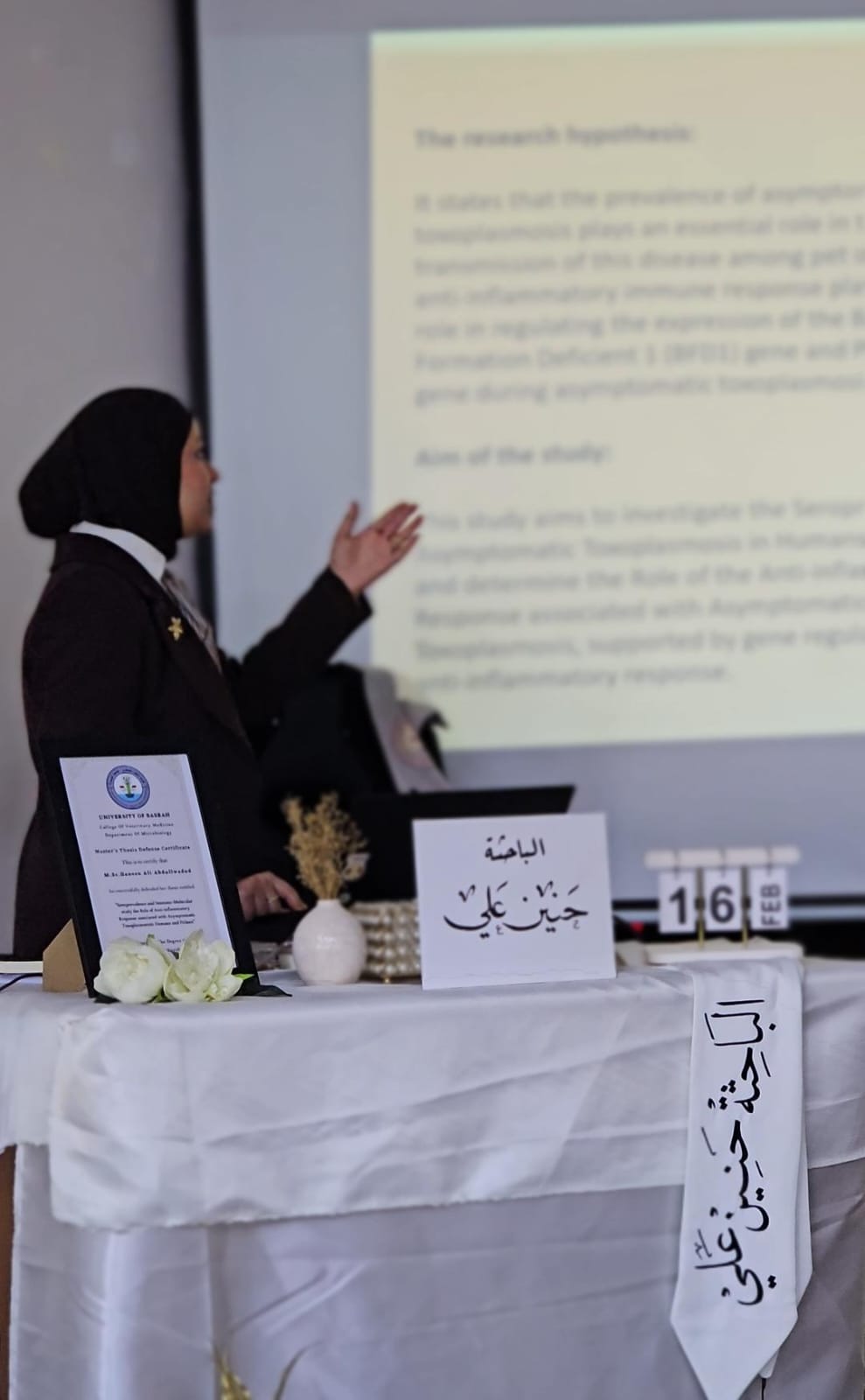
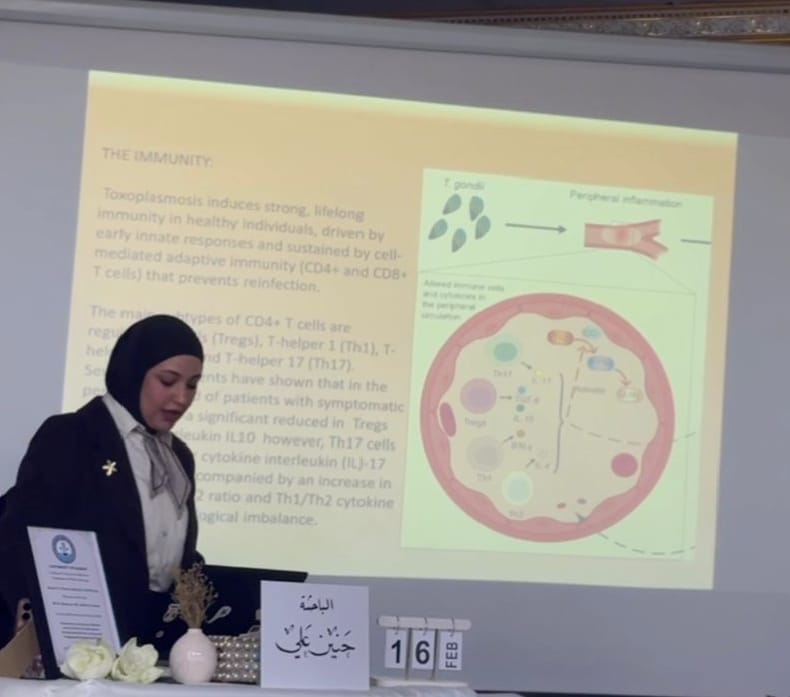
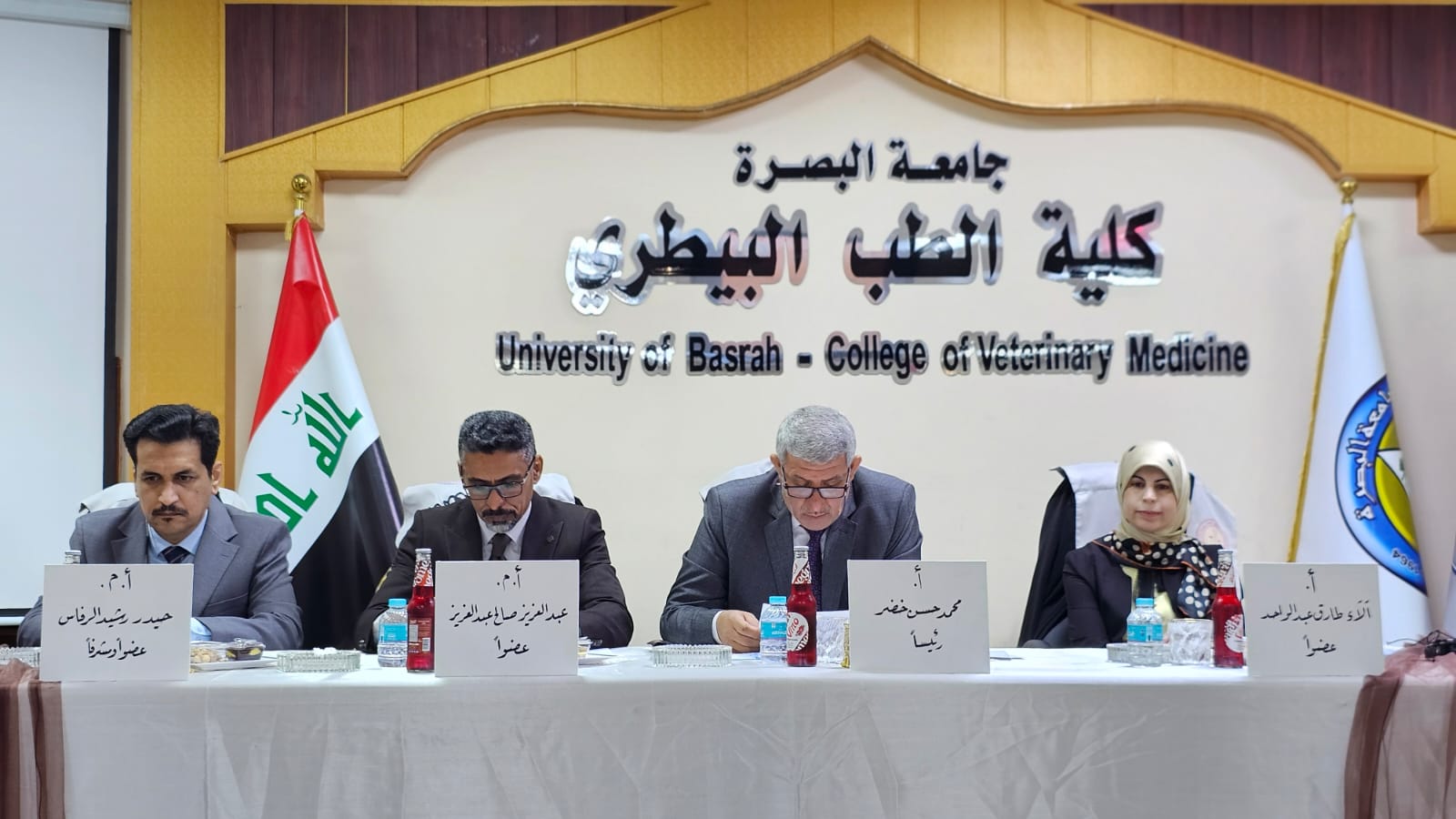
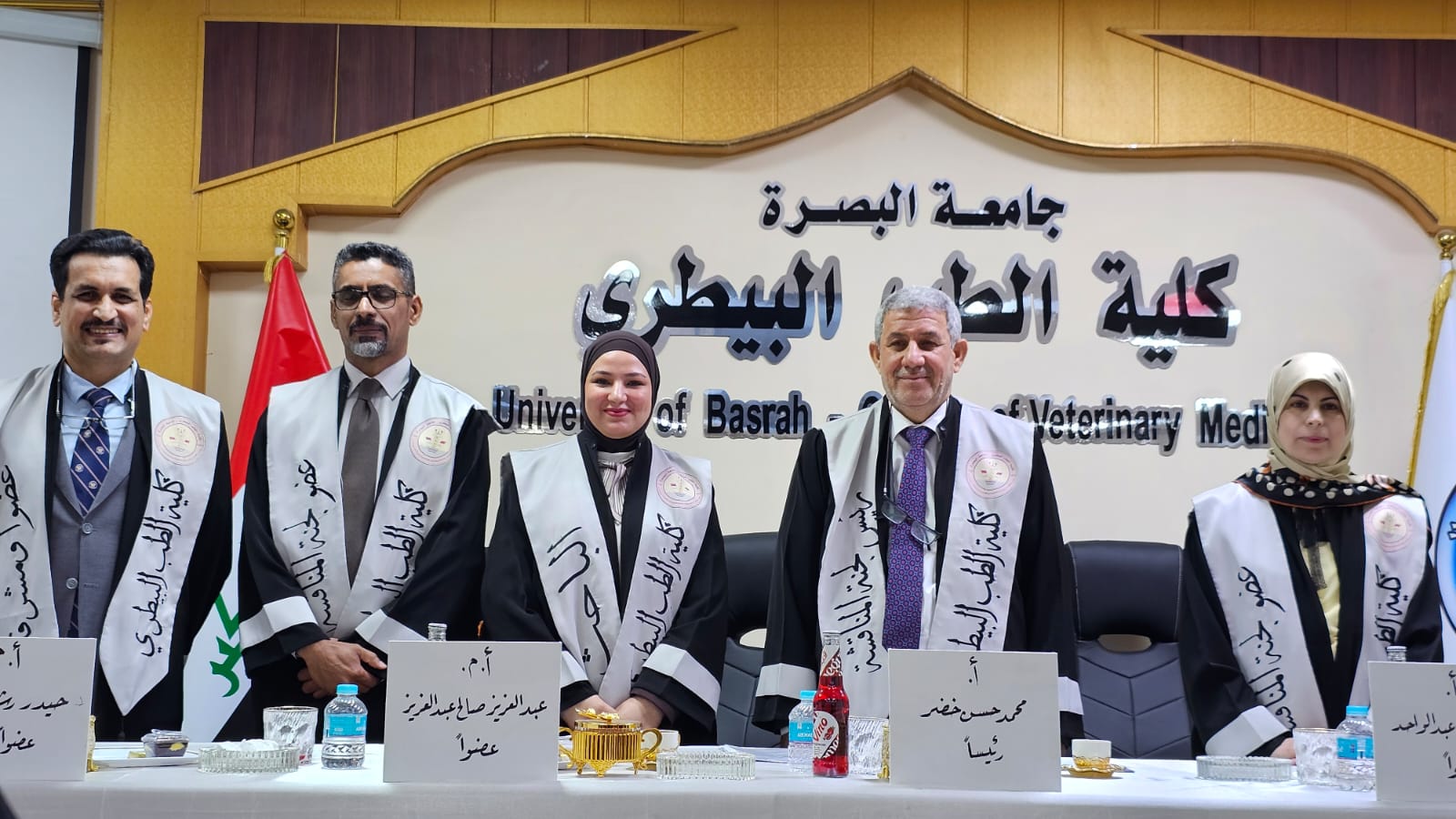
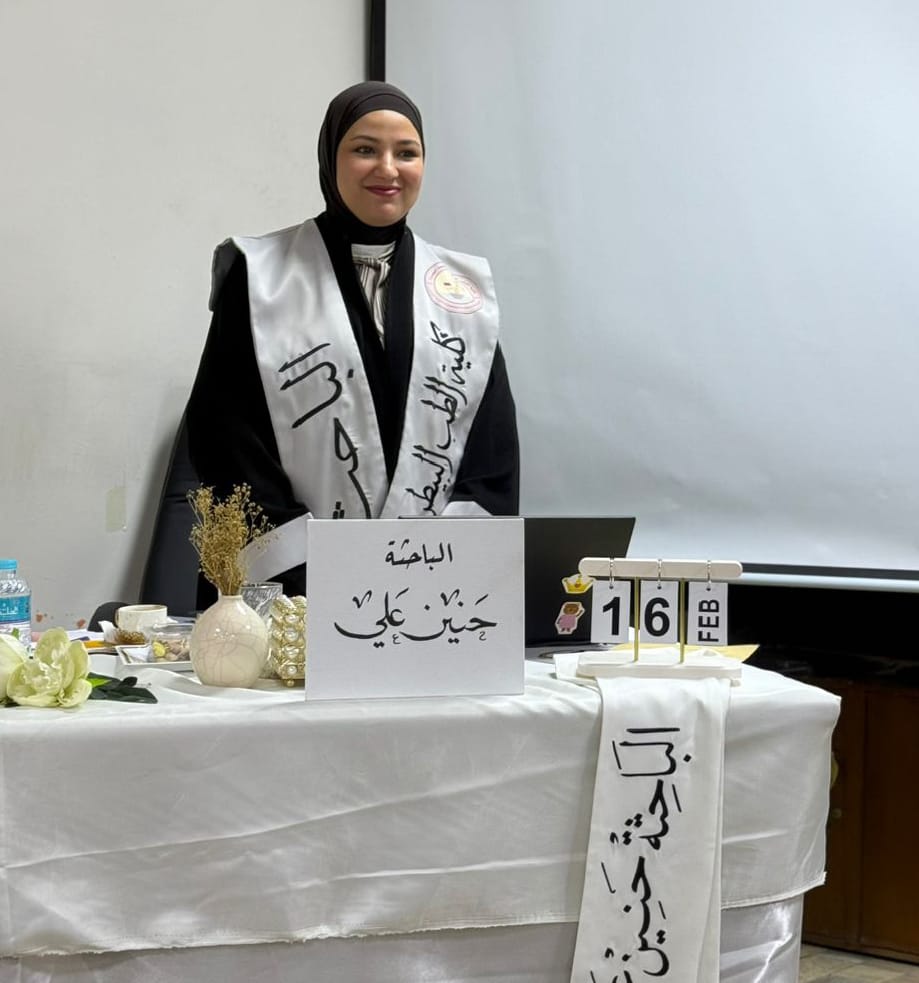
A Master’s thesis at the College of Veterinary Medicine, University of Basrah, has uncovered key immunological and genetic mechanisms associated with Toxoplasma gondii infection in cats and their owners.
The study, conducted by graduate student Hanin Ali, was titled “Immunological and Molecular Prevalence of Toxoplasma gondii in Cats and Their Human Owners.” It aimed to determine the rate of asymptomatic infections and to investigate the immunological and genetic factors that enable the parasite to persist in a latent state without causing apparent tissue damage.
To achieve these objectives, the research applied advanced laboratory techniques, including rapid antibody testing (IgG/IgM), ELISA assays for the measurement of immunocytokines, and quantitative polymerase chain reaction (qPCR) to evaluate the gene expression of PD-1, PD-L1, and BFD1. These methods were utilized to clarify the molecular mechanisms underlying the host immune response to infection.
Media and Government Communication Division
College of Veterinary Medicine
University of Basrah