University of Basrah PhD Dissertation Investigates Molecular Methods for Diagnosing Cutaneous Leishmaniasis in Dhi Qar
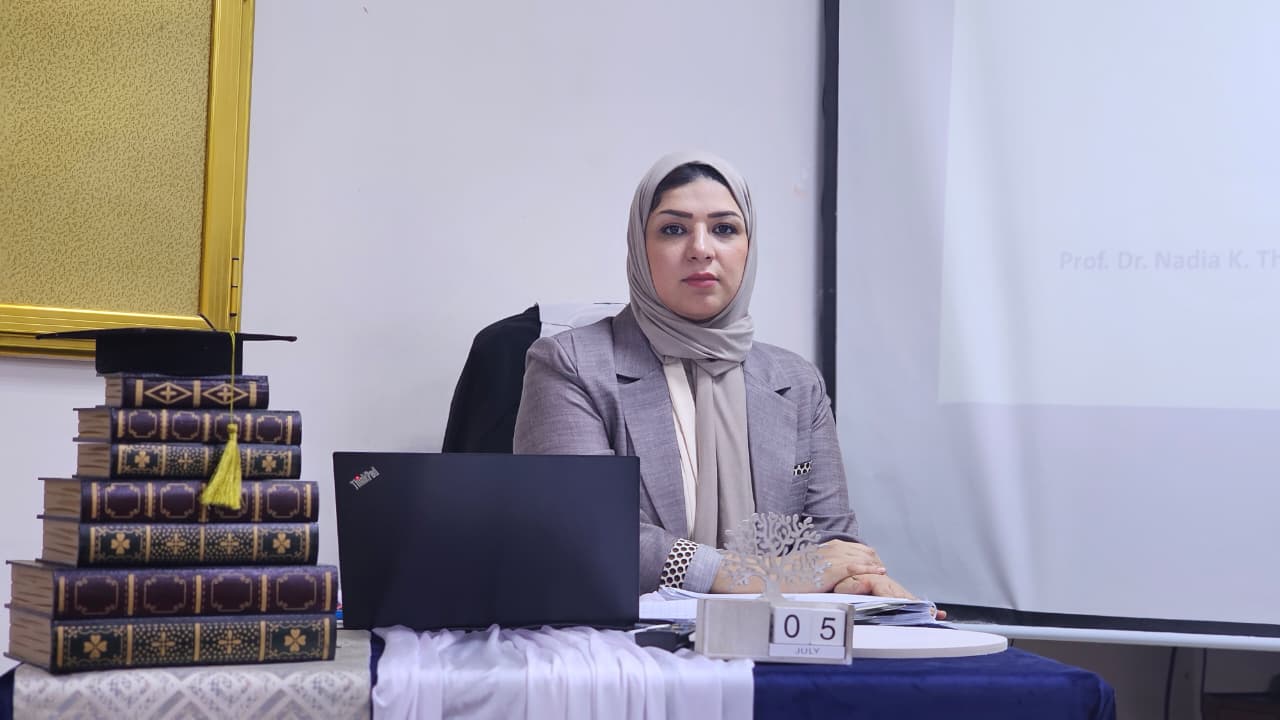
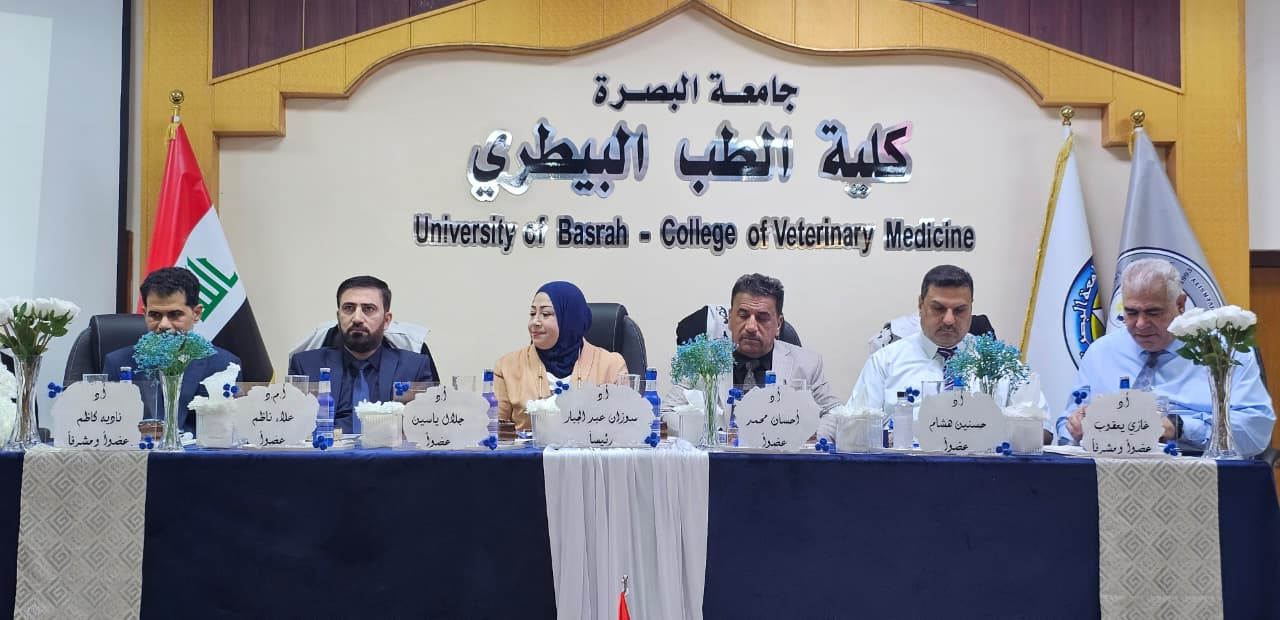
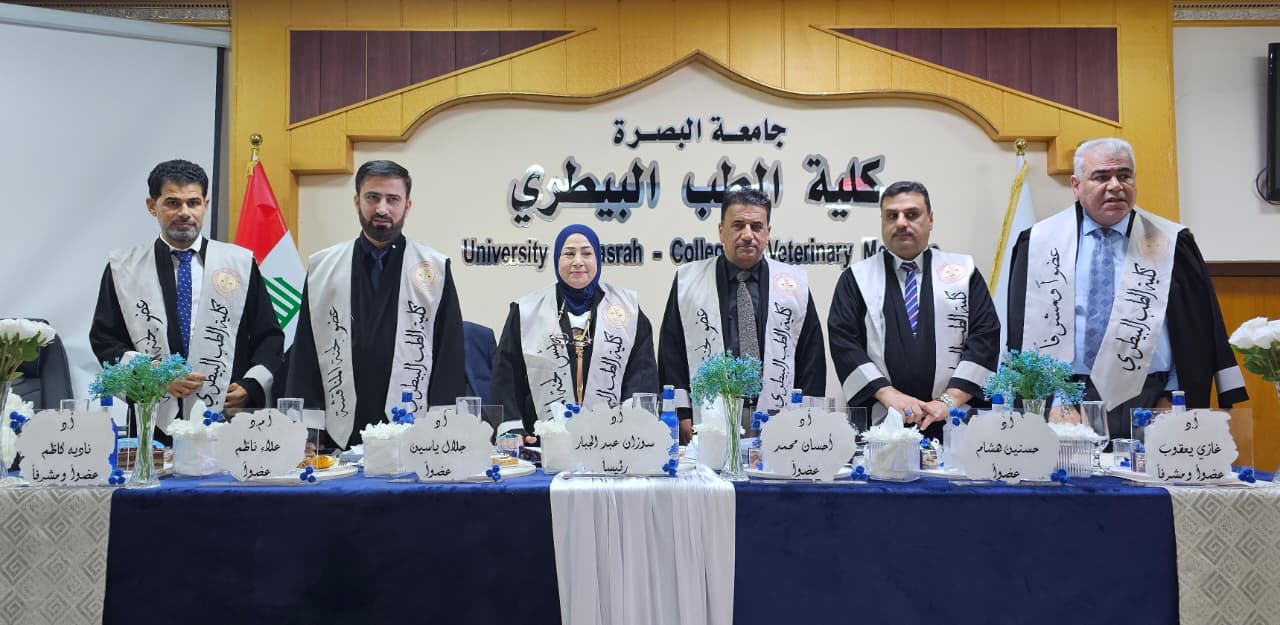
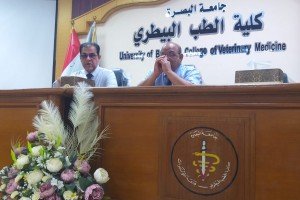
A PhD dissertation at the College of Veterinary Medicine, University of Basrah, investigated the diagnostic and molecular approaches used to identify cutaneous leishmaniasis in Dhi Qar Province.
The dissertation, presented by researcher Zainab Hassan Jassim, aimed to examine the epidemiological and molecular aspects of the disease. It focused on identifying Leishmania parasite species and the insect vector (sand fly) using microscopic examination, polymerase chain reaction (PCR), and DNA sequencing, in addition to evaluating the hematological, biochemical, and histopathological changes associated with infection.
The findings confirmed the presence of two parasite species, Leishmania major and Leishmania tropica, in infected patients. The study also detected the parasite’s DNA in sand flies, confirming their role as vectors of the disease in the region. Furthermore, genetic analysis demonstrated that the ITS1 region is highly effective in accurately distinguishing between Leishmania species, making it a reliable molecular marker for epidemiological and diagnostic studies.
The dissertation recommended intensifying both research and field efforts to develop effective strategies for controlling the sand fly vector and containing disease hotspots.
Media and Government Communication Division
College of Veterinary Medicine – University of Basrah