A master thesis at the University of Basrah studies the role of camel milk and plasma in treatment diarrheic lambs
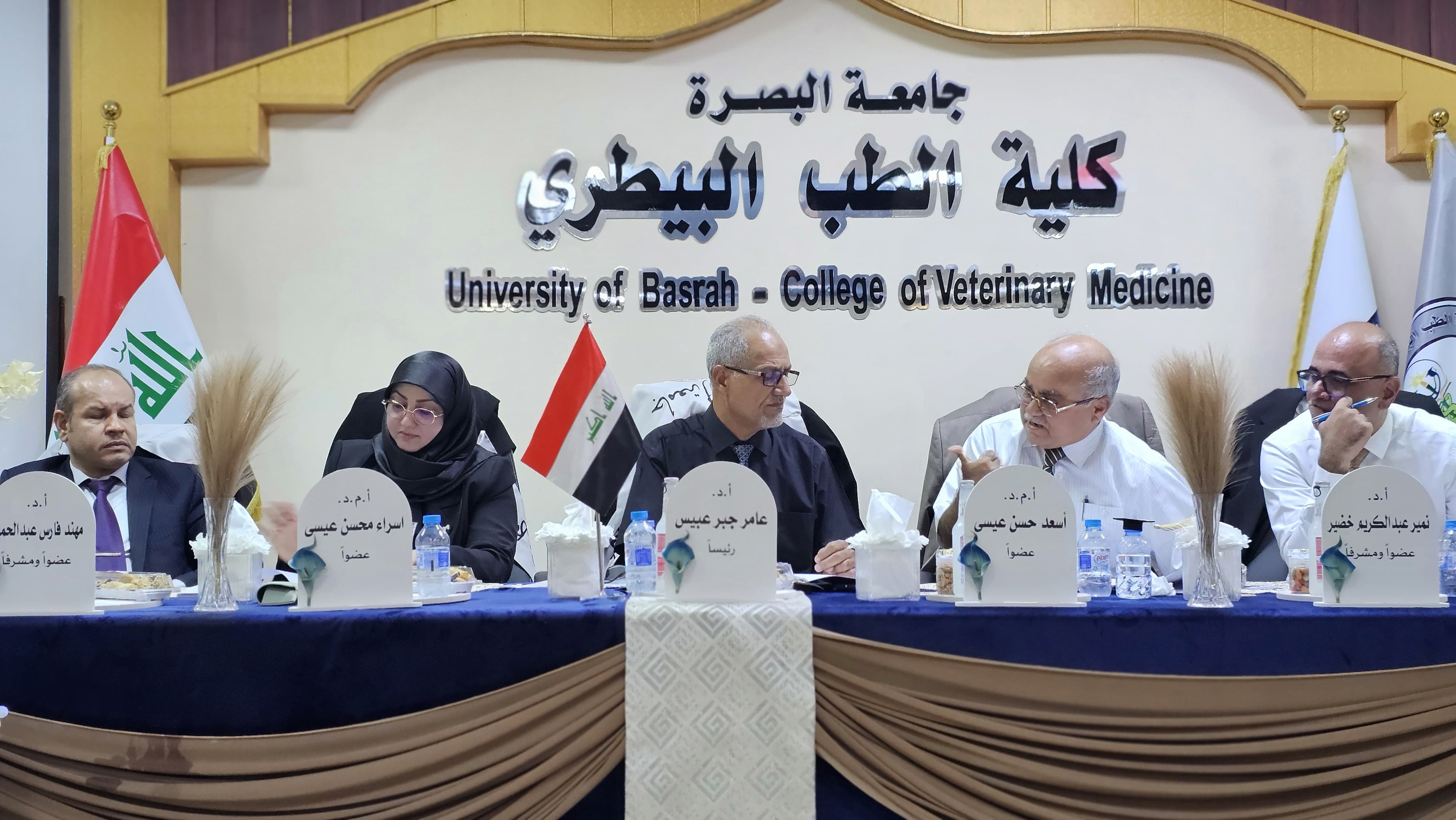
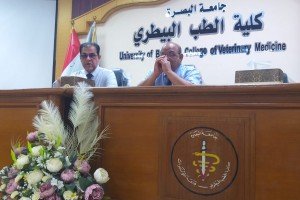
A master thesis at the College Veterinary Medicine, University of Basrah discussed “The effects of camel milk and plasma properties in the rehabilitation of intestinal lambs with diarrhoea resulted from Escherichia coli, in comparison of probiotic and antibiotics.
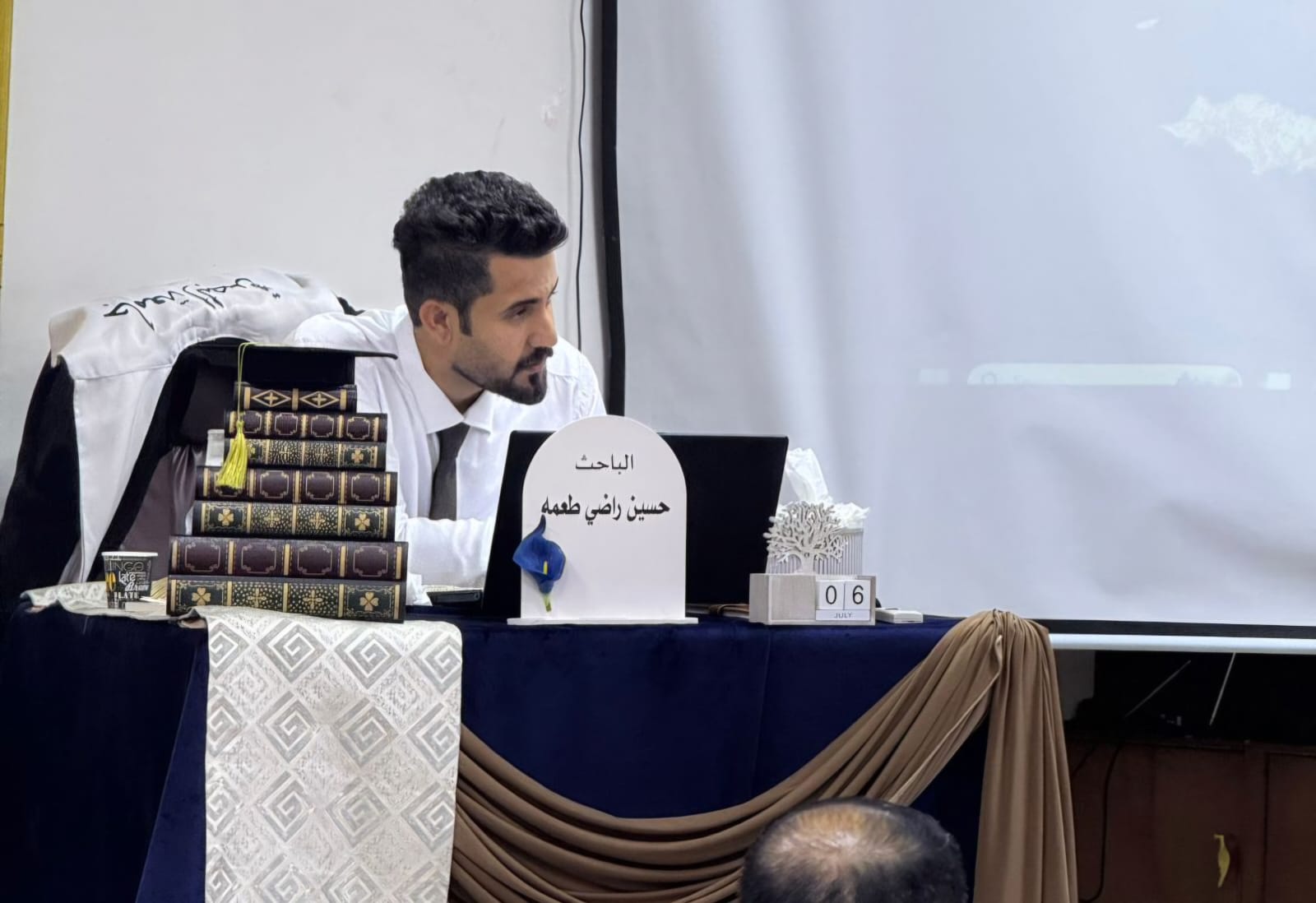
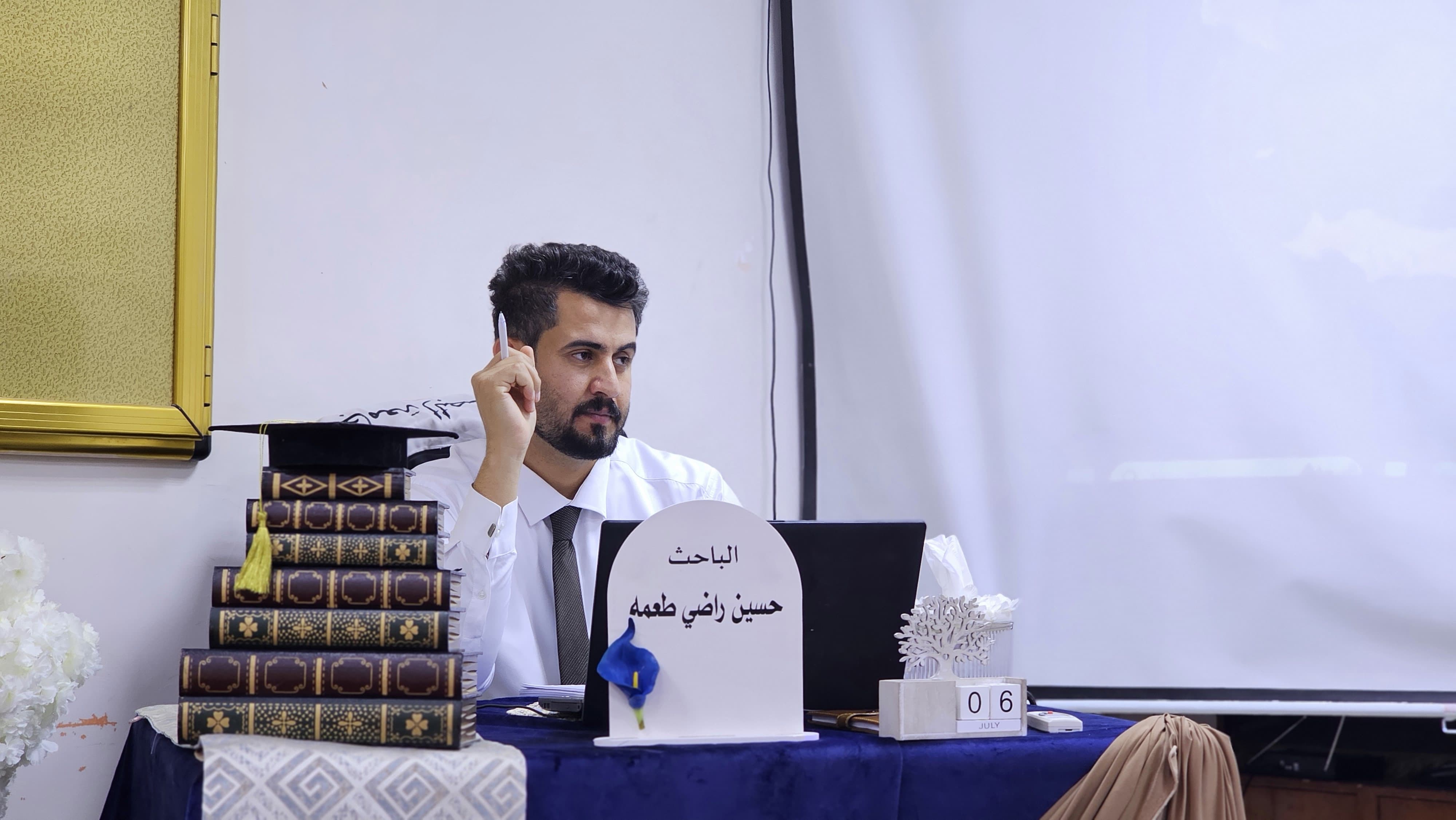
The thesis aimed, as submitted by the student “Hussein Radhi Tuama, to isolate and identify E. coli bacteria molecularly and culturally, in addition to study its antibiotic resistance, and evaluate the therapeutic and immunomodulatory effects of camel milk, camel plasma, and probiotics in the infected lambs.
The findings of the study identified the bacterium E. coli and its antibiotic resistance genes (Class 1 integron). Camel milk, camel plasma, and probiotics exhibited remarkable positive effects on the clinical, haematological, and immunological indicators of the animals. Camel plasma among other treatments improved the appetite, physical activity, and all general health condition of the lambs, with improving immunoglobulin levels (IgG and IgA). This makes it an excellent supportive treatment option for the immunity of newborn lambs.
The study advocated to stretching researches on using of camel plasma in remedying other bacterial and viral diseases, strengthening biosecurity programs and ewes vaccination, and conducting antibiotic sensitivity testing before treatment to precluding the development of bacterial resistance.
Media and government communication division, College of Veterinary Medicine, University of Basrah